● Textes littéraires · 12 stories
Échos migrantes — Hugo Javier Freitas
Twelve authentic literary narratives exploring migration, memory, work, family and belonging across Europe and the Río de la Plata. Moving from ports and crossings to neighbourhoods, workplaces and family conversations, the stories bring ordinary lives into dialogue with larger historical events. Written in unsimplified literary French and accompanied by pedagogical materials, the collection is designed for FSL and French Immersion learners from intermediate to advanced levels. Read the books →

1
Les deux frères
📖 Authentic literary text — unsimplified narrative prose
LevelB1/B1+
Themes
Historical ContextSet during the era of mass Galician migration to Argentina, the story follows the brothers' approach to the port of La Coruña before their Atlantic departure. It foregrounds the human scale of migration: walking, waiting, farewells and family responsibility.
DescriptionLeonardo and Héctor make their way to the port on foot, tired and uncertain but sustained by memory and mutual care. Only at the end do their ages and destination reveal the full weight of their journey: they are eleven and seventeen, bound for Buenos Aires.

2
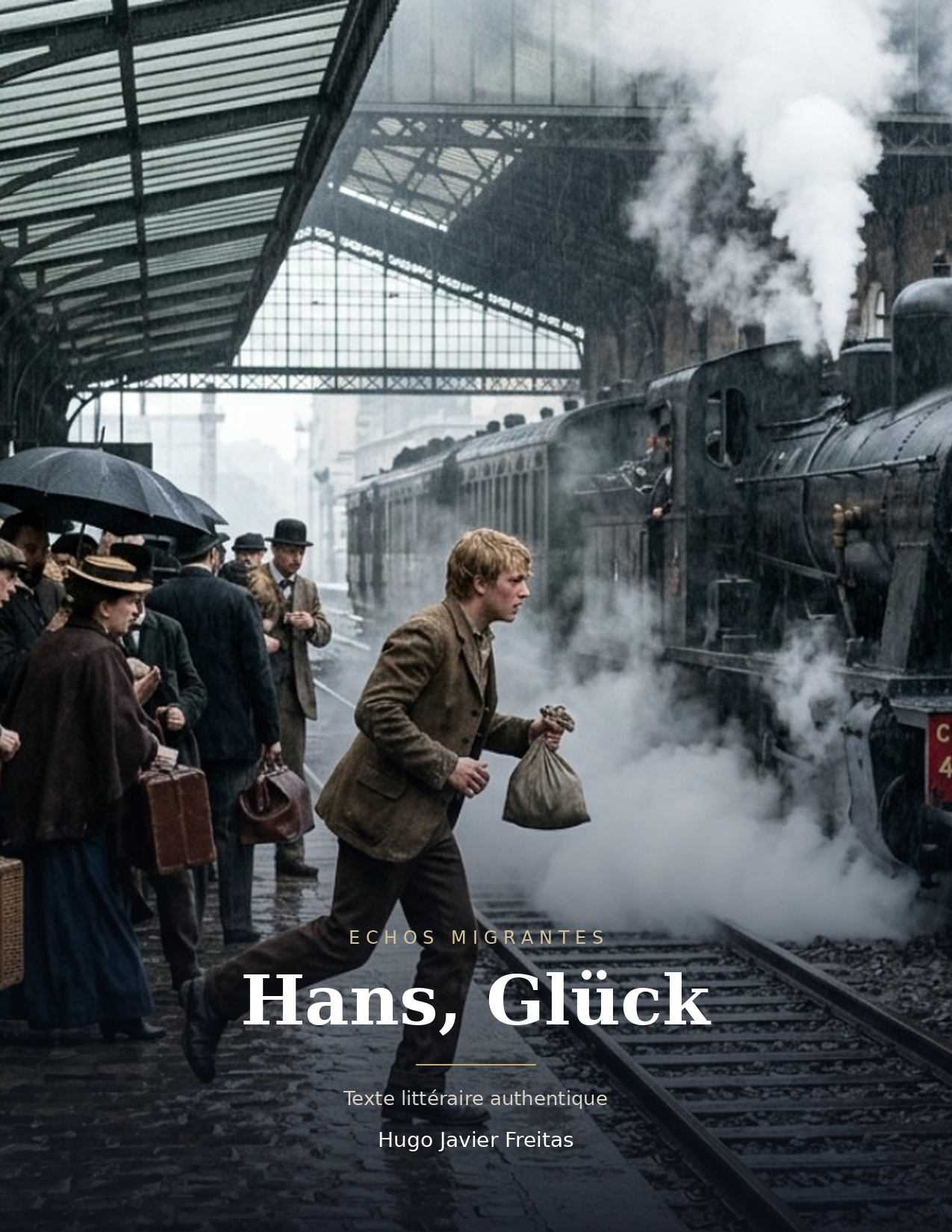
Hans, Glück
📖 Authentic literary text — unsimplified narrative prose
LevelB1+/B2
Themes
Historical ContextThe story reflects the experience of young European migrants travelling by rail toward Mediterranean ports before crossing the Atlantic to Argentina. Its focus is on language barriers, personal networks and the emotional uncertainty of departure.
DescriptionHans moves through unfamiliar stations and languages on his way to the port, relying on a postcard, a dictionary and the promise of someone waiting for him in America. The journey turns language, trust and the word Glück—'luck' and 'happiness'—into symbols of uncertainty and hope.

3
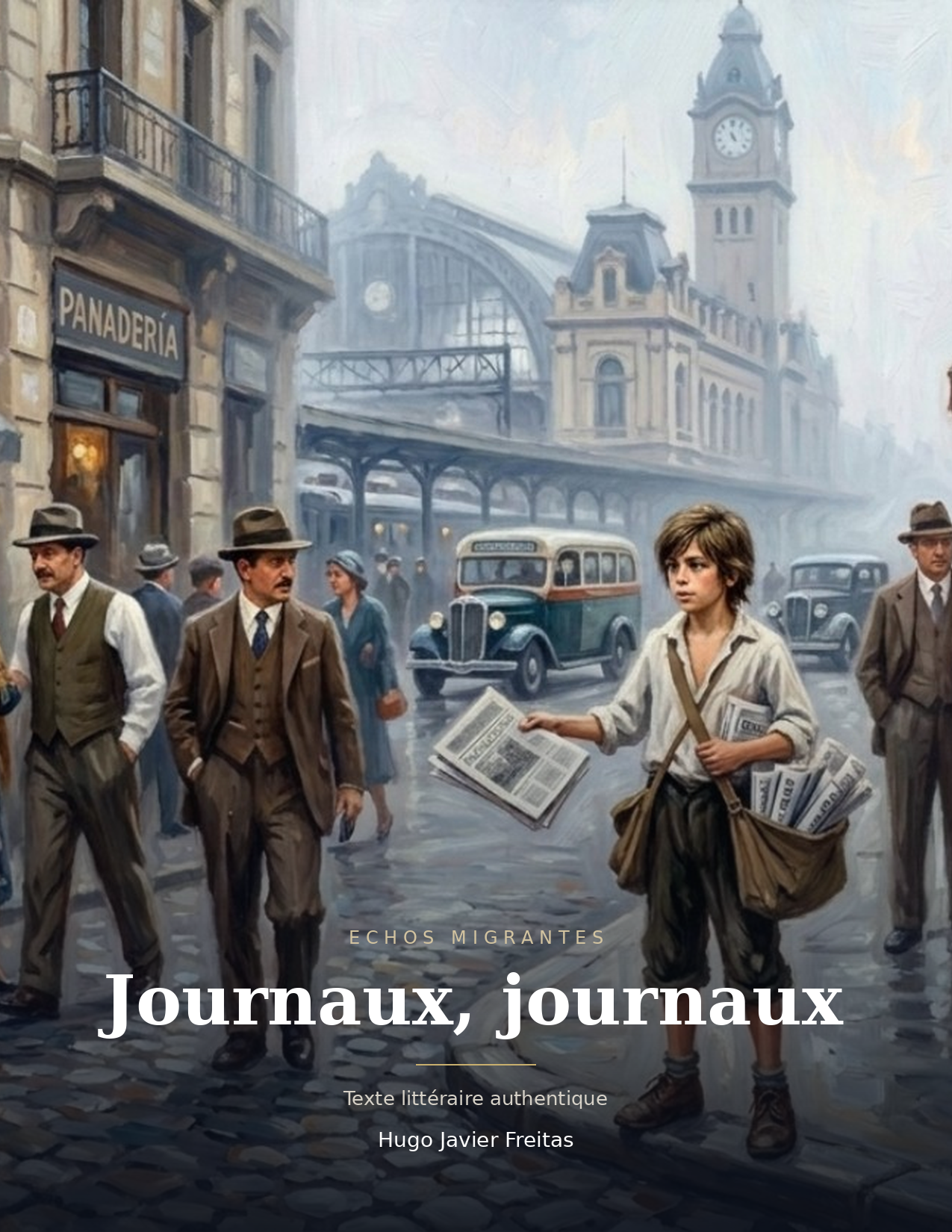
Journaux, journaux
📖 Authentic literary text — unsimplified narrative prose
LevelB1+/B2
Themes
Historical ContextSet in Buenos Aires in the early 1920s, near Constitución station, when newspaper vendors were a familiar part of urban life. The story also reflects Spanish immigration, child vulnerability and the integrating role of Argentina's public schools.
DescriptionAfter losing his mother, nine-year-old Fermín survives by selling newspapers near Constitución station. Don Anselmo and Sara offer him more than work: they give him protection, dignity and the possibility of remaining in school.

4
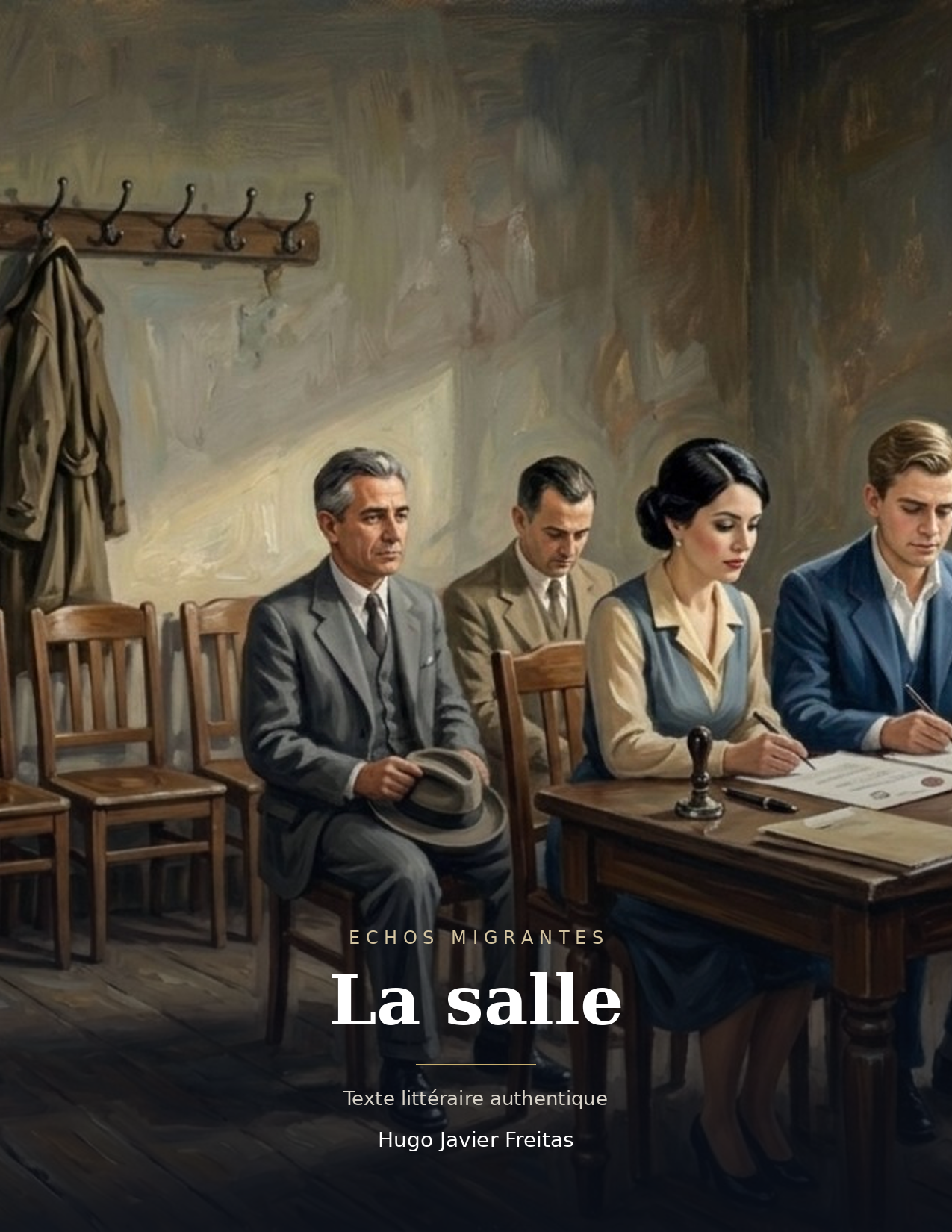
La salle
📖 Authentic literary text — unsimplified narrative prose
LevelB1+/B2
Themes
Historical ContextSet in Buenos Aires on 9 August 1919, during the era of mass European immigration to Argentina. It highlights Galician migration, boarding houses, compatriot networks and the everyday forms of support that helped migrants establish themselves.
DescriptionIn a registry office in 1919, Jesús Alonso and Elvira Contiñas prepare to marry far from the families they left behind. Borrowed clothes, witnesses from different immigrant communities and a simple signature reveal the quiet networks through which newcomers built homes and belonging.

5
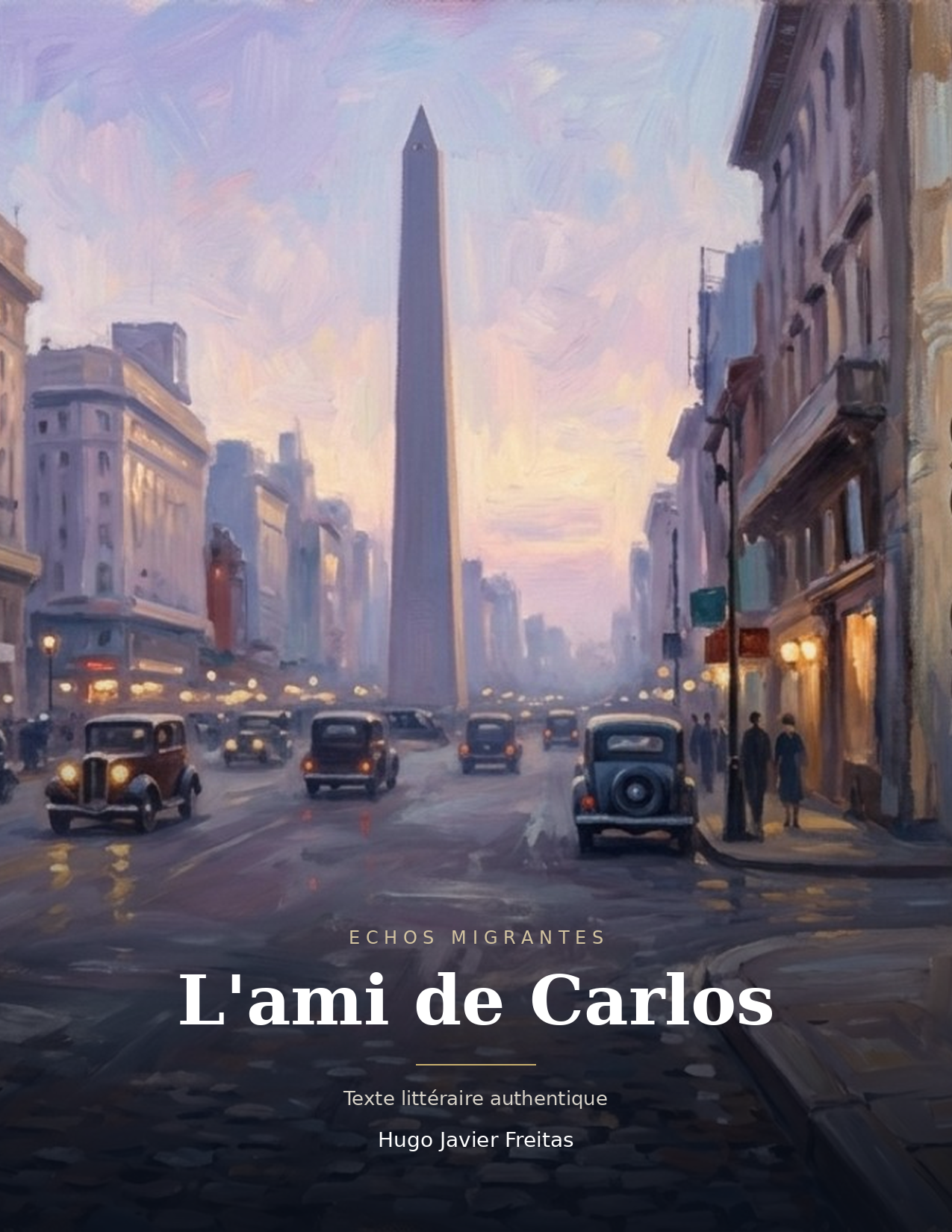
L'ami de Carlos
📖 Authentic literary text — unsimplified narrative prose
LevelB2+/C1
Themes
Historical ContextSet mainly in Buenos Aires from the 1920s to the mid-1930s, amid horse racing, radio, cafés, theatres and tango culture. Gardel's death in Medellín on 24 June 1935 provides a key historical turning point.
DescriptionMichell Rondeau grows up between the racetrack, cafés and the popular culture of Buenos Aires, drawn increasingly to tango and to the figure of Carlos Gardel. A brief encounter and Gardel's death in 1935 turn admiration into memory and help Michell find his own voice.

6
Le dernier jour du Giulio Cesare
📖 Authentic literary text — unsimplified narrative prose
LevelB2+/C1
Themes
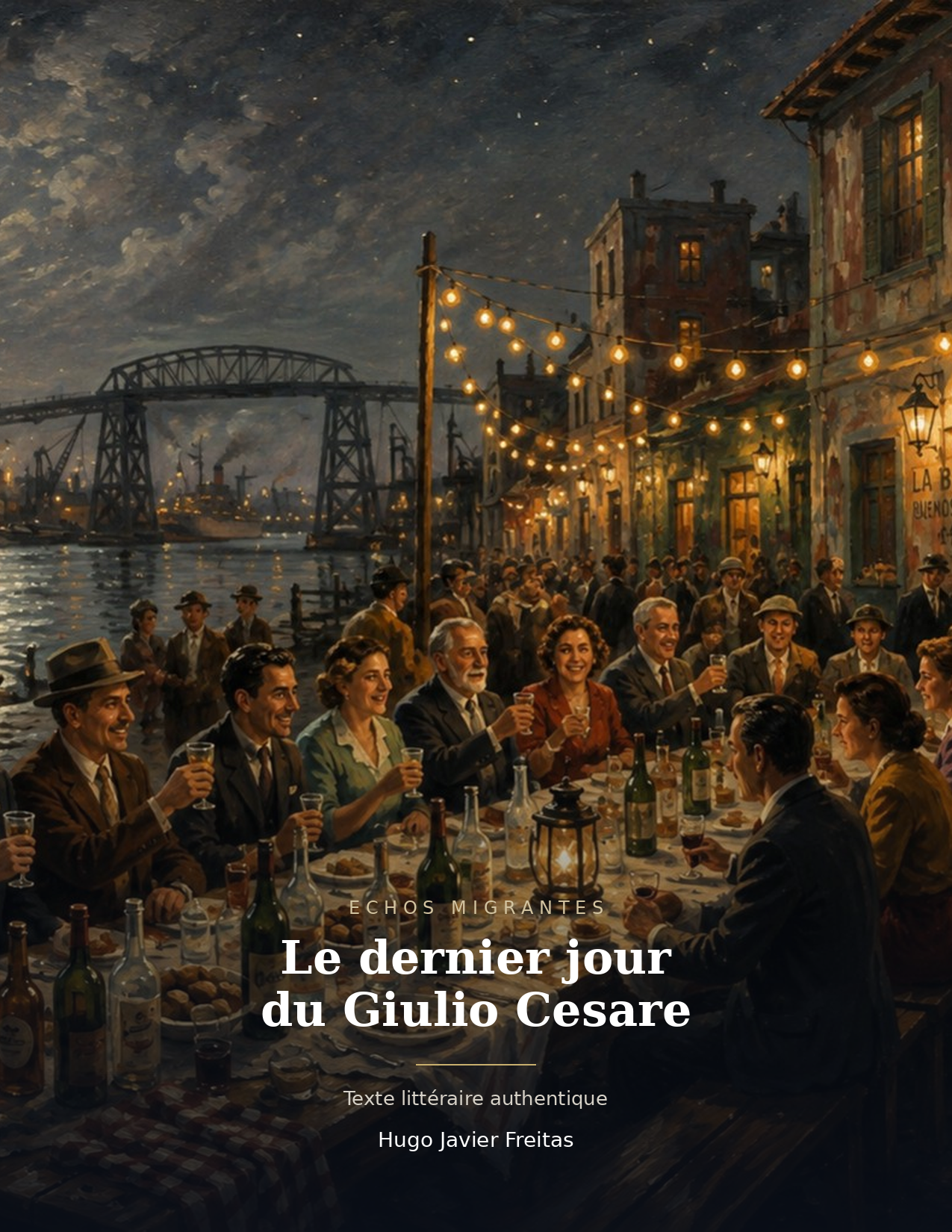
Historical ContextSet in La Boca, Buenos Aires, on 31 December 1945, just after the end of the Second World War. The story evokes European immigration to Argentina, transatlantic passenger travel and the multicultural neighbourhood life of La Boca.
DescriptionAs neighbours gather to welcome 1946, Guido and Mirko learn that the Giulio Cesare, the ship that once brought them across the Atlantic, has been sunk in wartime Europe. Their conversation turns an old vessel into a symbol of migration, loss and the memories passed from one generation to the next.

7
Sœurs
📖 Authentic literary text — unsimplified narrative prose
LevelB2+/C1
Themes
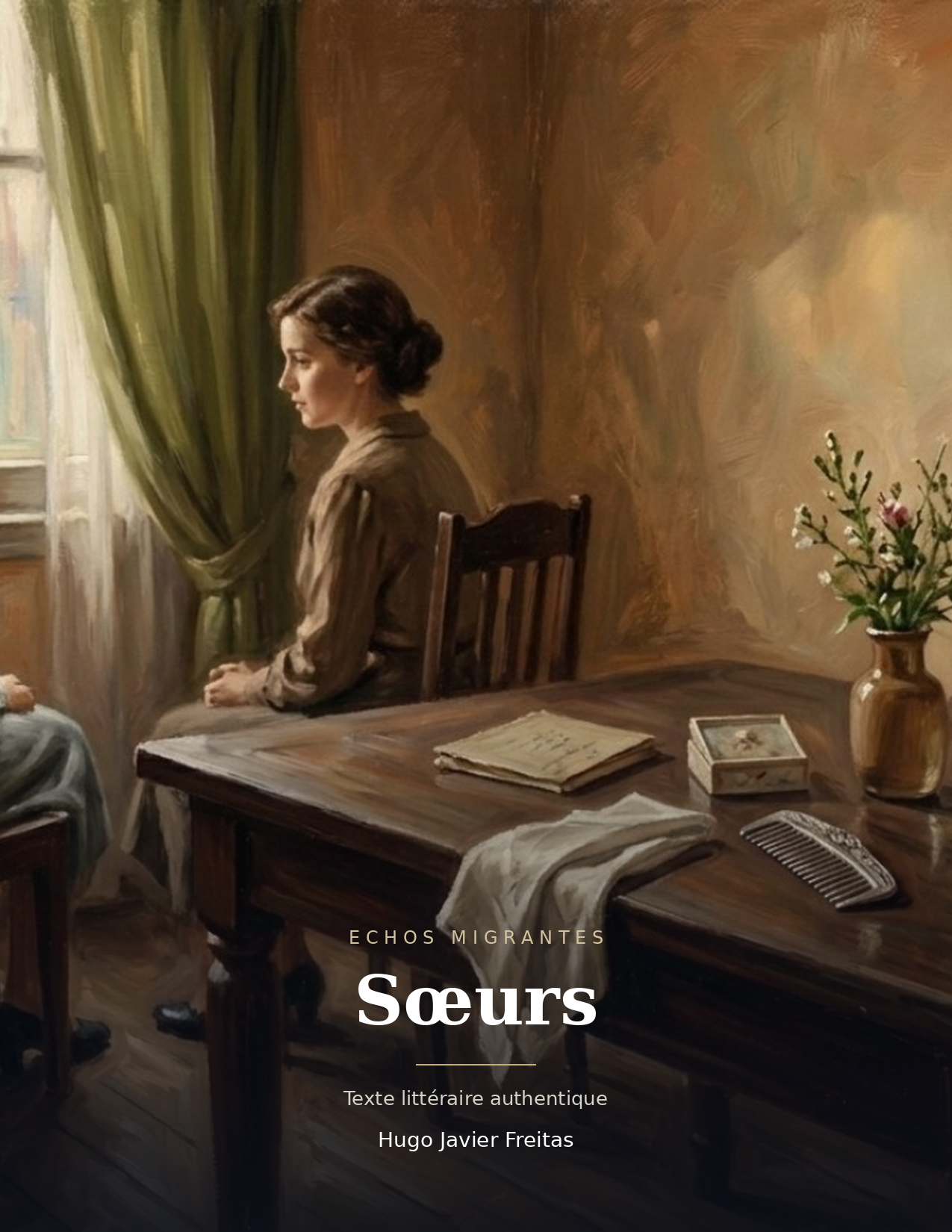
Historical ContextThe story recalls a transatlantic migration and the women's early life in a boarding house on Cochabamba Street in Buenos Aires. Its focus is less on a single historical event than on the intimate experience of migration, family vulnerability and settlement in Argentina.
DescriptionAs Marta lies gravely ill, she and Margarita revisit fragments of childhood, a sea crossing and their early years in Buenos Aires. A final revelation transforms the meaning of their shared past and raises questions about memory, sacrifice, silence and forgiveness.

8
Marco Poletti
📖 Authentic literary text — unsimplified narrative prose
LevelB2+/C1
Themes
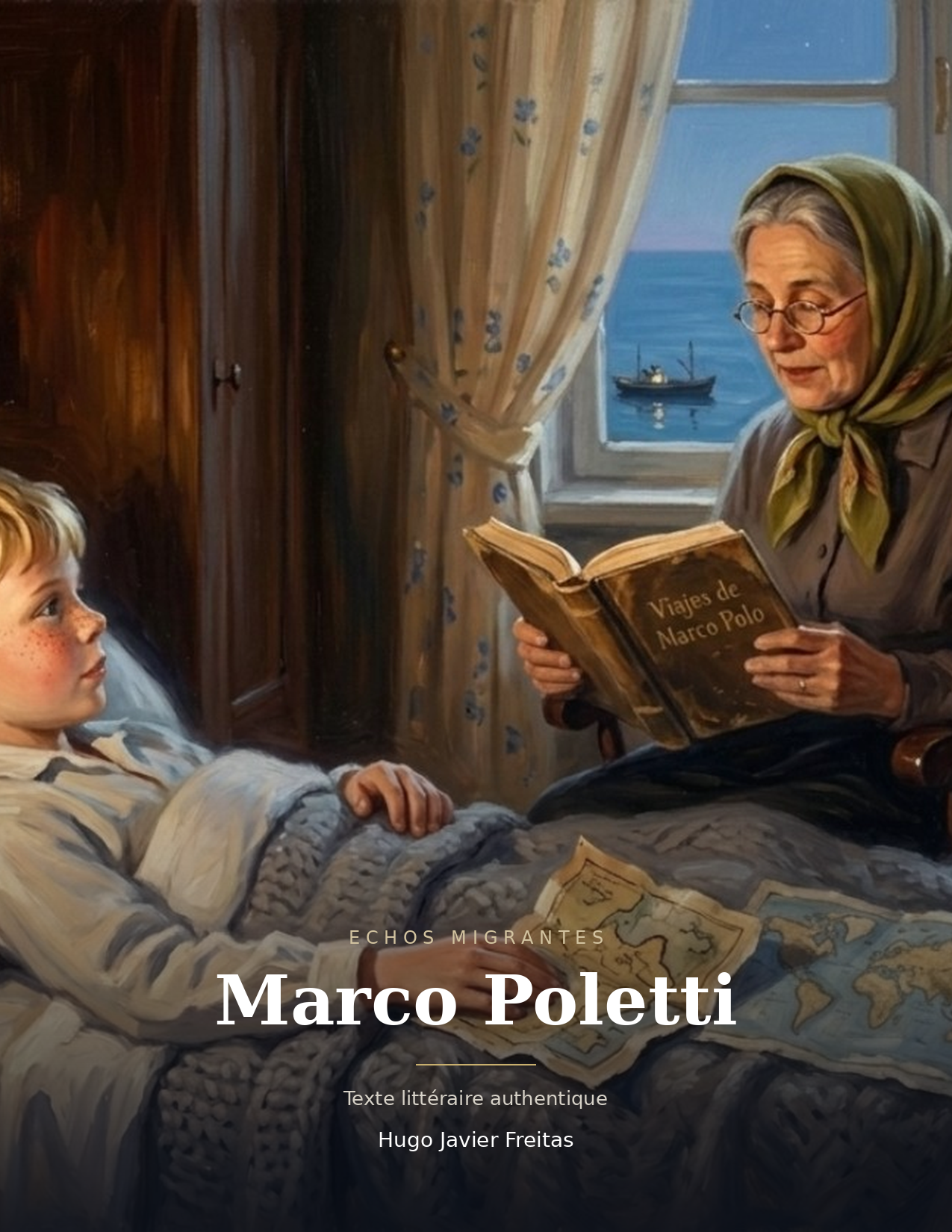
Historical ContextSet against Italian emigration to Argentina in the early twentieth century and the development of Patagonia. The narrative also evokes the Ushuaia prison, its workforce and its closure in 1947.
DescriptionAfter the death of the grandmother who raised him, Marco leaves Bogliasco and follows a restless journey through Buenos Aires, Mar del Plata, Puerto Madryn and Tierra del Fuego. His search gradually becomes less a quest for adventure than a way of understanding inheritance, freedom and belonging.

9
Carmen
📖 Authentic literary text — unsimplified narrative prose
LevelB2+/C1
Themes
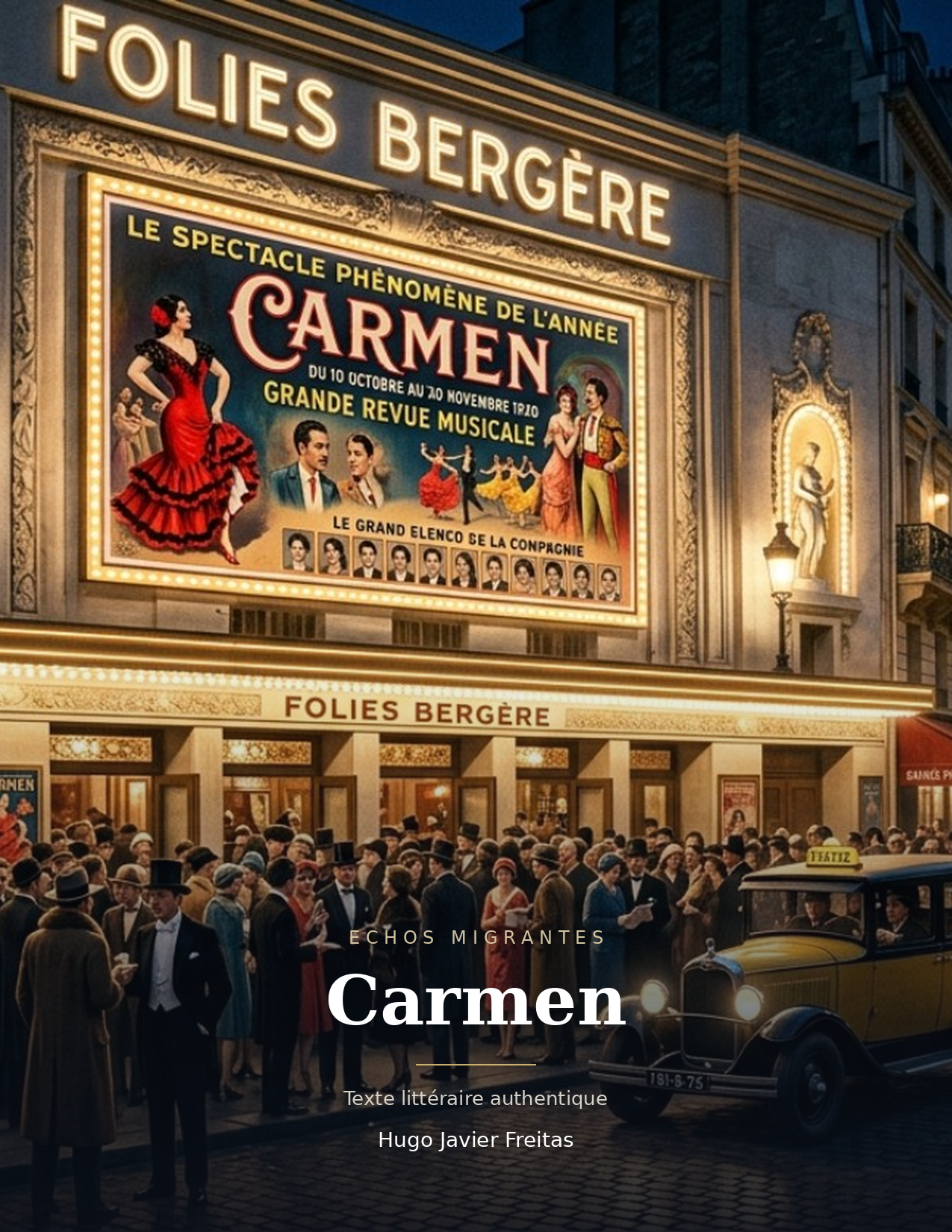
Historical ContextThe story moves between a France marked by war, the Paris stage and Argentina, tracing a woman's transatlantic life across the first half of the twentieth century. It reflects the mobility of performers, European migration and the cultural links between France and Buenos Aires.
DescriptionSister Marie tells a traumatized novice the story of her own life: a poor childhood, the discovery of her singing voice, Parisian theatre, the role of Carmen, a journey to the Americas and years in Buenos Aires. Her path shows that survival is not always a return to who one was, but sometimes the creation of a new self.

10
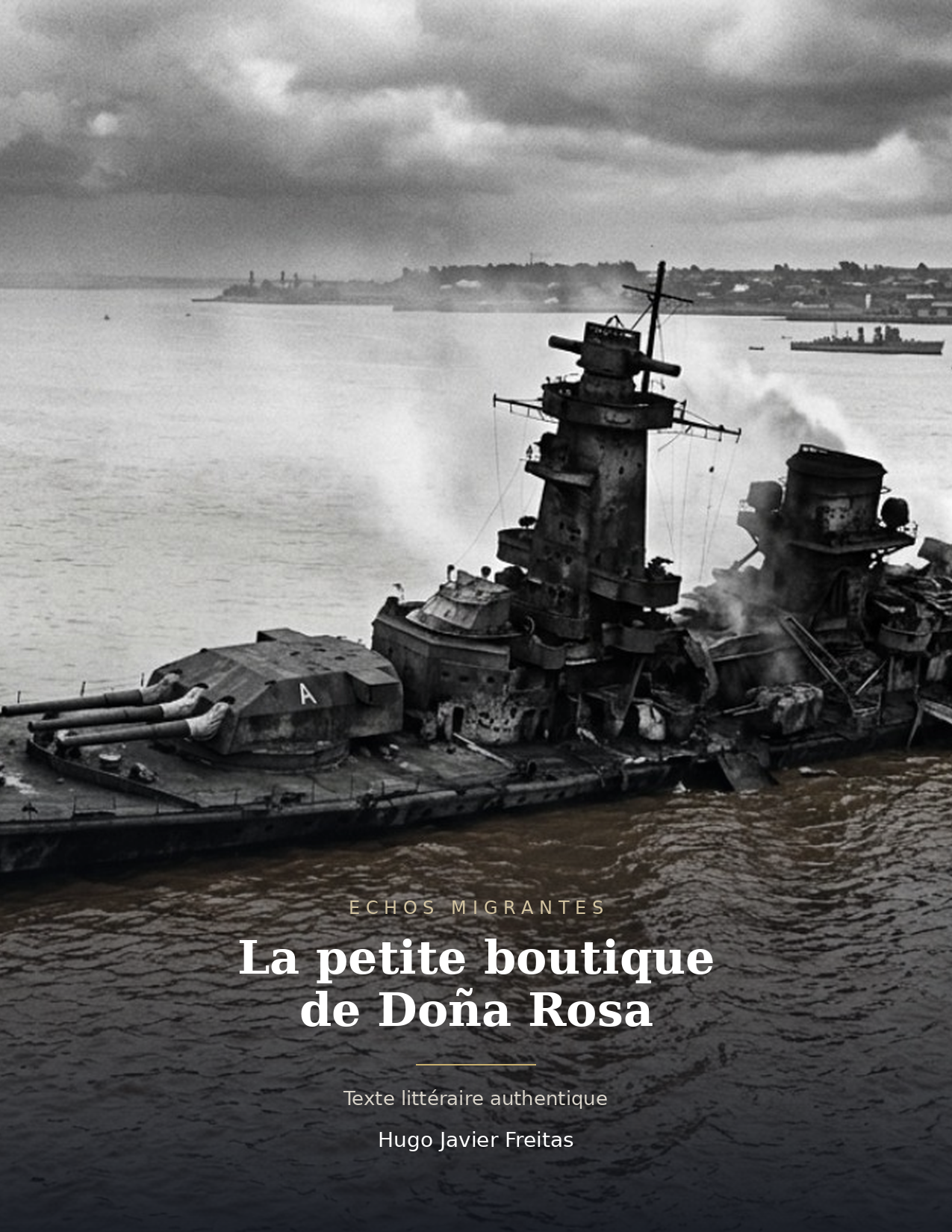
La petite boutique de Doña Rosa
📖 Authentic literary text — unsimplified narrative prose
LevelB2+/C1
Themes
Historical ContextFramed in Florida, Buenos Aires Province, in 1985, the story reaches back to the Second World War and the Battle of the River Plate. The scuttling of the Admiral Graf Spee in 1939 forms the historical background to a narrative about displacement, integration and silence.
DescriptionIn 1985, a child observes Doña Rosa, Don Jacobo and the quiet routines of their mercería in suburban Buenos Aires. Behind that ordinary setting lies a story connecting German migration, the Graf Spee, reinvention and the traces that history leaves on bodies and neighbourhoods.

11
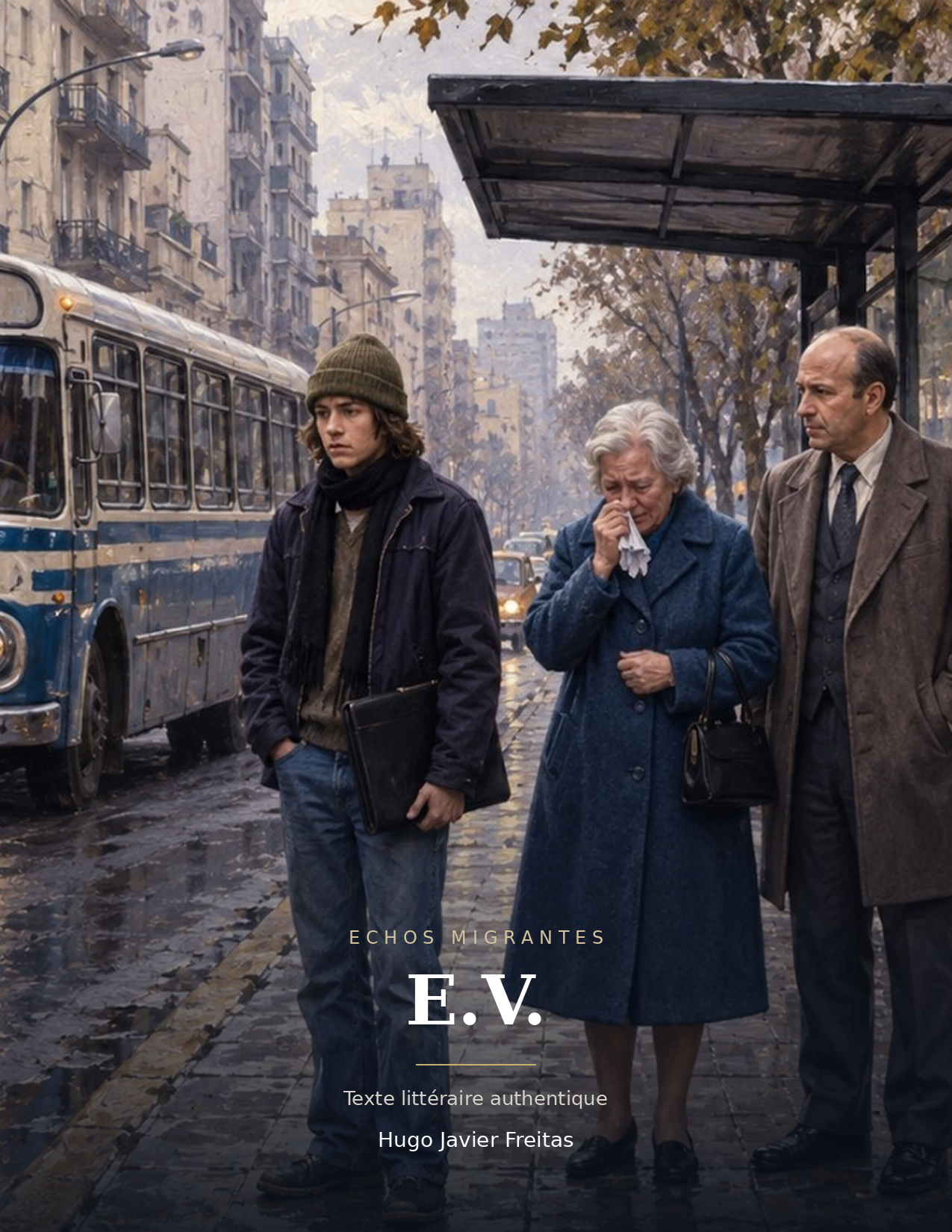
E.V.
📖 Authentic literary text — unsimplified narrative prose
LevelB2+/C1
Themes
Historical ContextThe story follows a Spanish migrant who arrived in Argentina in 1923 and recalls the anarchist and labour milieu of the Río de la Plata. Its final section takes place on 1 July 1974, the day of Juan Domingo Perón's death.
DescriptionWhat begins as a family-history assignment becomes an exercise in oral history as Eduardo listens to his grandfather's memories of migration, work, anarchism and a changed name. The initials E.V. gradually connect personal testimony with Argentina's wider social and political history.

12
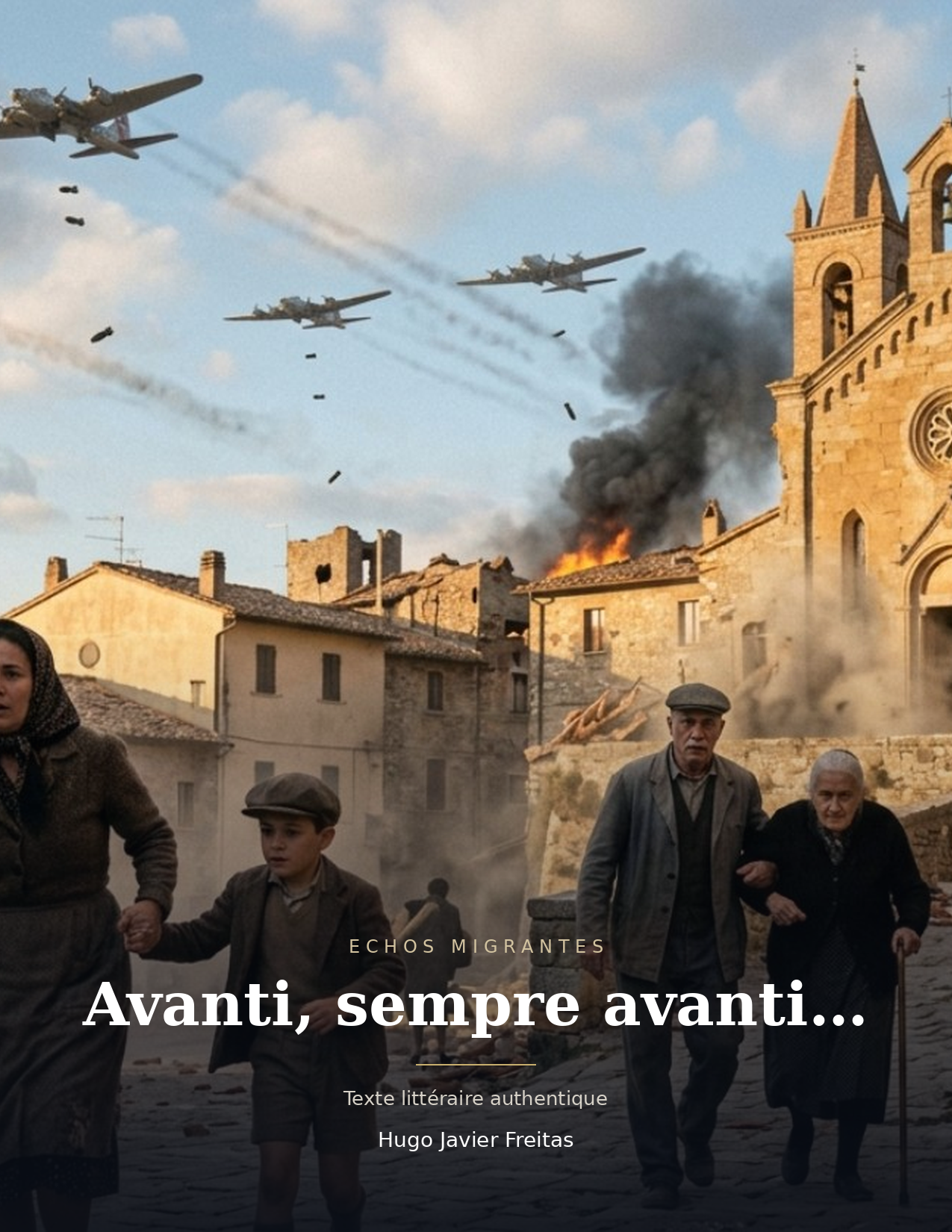
Avanti, sempre avanti…
📖 Authentic literary text — unsimplified narrative prose
LevelB2+/C1
Themes
Historical ContextThe narrative begins with Gianni's arrival in Argentina in 1947 and ranges across the second half of the twentieth century, including post-war migration, the Malvinas/Falklands War, the return of democracy and the hyperinflation of the late 1980s. The frame is set in Olivos in 2003.
DescriptionIn a series of conversations in Olivos in 2003, Gianni Di Paolo tells a young History student about arriving from Italy as a child after the war and building a life in Argentina. His memories move across decades of labour, political change, return and loss, turning an individual testimony into a portrait of migration across a lifetime.